Understanding Metal Roofing: Benefits and Features
As homeowners search for robust and aesthetically pleasing roofing solutions, metal roofing has emerged as a prime contender. Metal roofs offer a unique combination of durability, energy efficiency, and design versatility, making them an increasingly popular choice among property owners. For those evaluating their options, mroof.ca provides comprehensive insights into metal roofing solutions available in the Greater Toronto Area and beyond.
What Makes Metal Roofing a Smart Choice?
Metal roofing stands out for several compelling reasons:
- Longevity: Metal roofs can last 40 years or more when properly installed and maintained, significantly outlasting traditional asphalt shingles.
- Energy Efficiency: Many metal roofing options reflect solar heat, reducing cooling costs during hot summer months.
- Resilience: Metal roofing is highly durable and can withstand harsh weather conditions, including heavy snow, high winds, and ice.
- Low Maintenance: Compared to other roofing materials, metal roofs require minimal upkeep, often only needing periodic inspections and cleaning.
Key Features of Quality Metal Roofs
When considering metal roofing, various features can enhance its performance and aesthetic appeal:
- Material Type: Common materials include steel, aluminum, and copper, each offering distinct advantages based on climate and design preferences.
- Panel Profile: Available in styles that mimic traditional shingles, tiles, or standing seam, providing versatility to match any architectural style.
- Color and Finish: Metal roofs come in various colors and finishes that can complement a home's exterior while providing enhanced resistance to fading and corrosion.
Comparative Cost Analysis: Metal vs. Traditional Roofing
While the initial cost of metal roofing may exceed that of traditional options like asphalt shingles, it’s essential to consider the long-term savings:
- Installation Costs: Metal roofing often involves a higher installation cost due to specialized labor but can save money over time due to reduced maintenance and replacement needs.
- Energy Savings: Homeowners may experience reduced energy bills because of the reflective properties of metal roofing.
- Resale Value: Homes with metal roofs often retain a higher resale value, appealing to potential buyers looking for durable and efficient options.
Choosing the Right Metal Roofing Materials
Selecting suitable materials for a metal roof is crucial for maximizing performance and aesthetic appeal. Different types of metal roofs provide unique benefits suitable for various environments and budgets.
Types of Metal Roofing Options Available
Here are some of the most common types of metal roofing:
- Steel Roofing: Known for its strength and affordability, steel is often coated with a layer of zinc to improve rust resistance.
- Aluminum Roofing: Lightweight and resistant to corrosion, aluminum is a great choice for coastal areas where salt exposure can be an issue.
- Copper Roofing: Although more expensive, copper roofs are revered for their beauty and longevity, developing a distinctive patina over time.
- Galvalume Roofing: A steel product with an aluminum-zinc coating, this option combines durability with excellent corrosion resistance.
Factors to Consider When Selecting Metal Roofing
Before making a decision, consider the following factors:
- Climate Considerations: Different materials perform better in specific weather conditions. For instance, aluminum may be better suited for coastal climates.
- Aesthetic Preferences: Choose a color and profile that suits your home’s style and your personal tastes.
- Local Building Codes: Always verify local building codes and homeowners’ association guidelines that may affect your roofing options.
Durability and Longevity of Metal Roofs
One of the key advantages of metal roofs is their durability. They can withstand extreme weather, including snow, hail, and high winds, making them ideal for various climates. Additionally, quality metal roofs can last 50 years or more, outpacing traditional roofing materials by a significant margin.
Installation Process: What to Expect
Understanding the installation process can help homeowners prepare for their new metal roof. A proper installation will ensure optimal performance and longevity.
Step-by-Step Guide to Metal Roof Installation
- Preparation: Remove the old roofing material and repair any damaged sheathing.
- Underlayment Installation: Install a moisture barrier to prevent leaks.
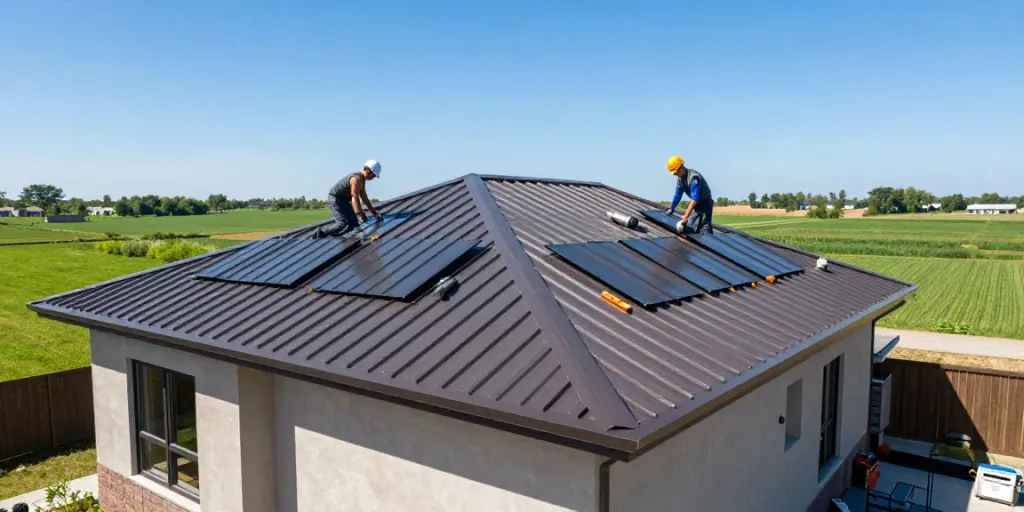
- Metal Panel Placement: Starting from the bottom, install the metal panels in rows, ensuring proper overlap.
- Finishing Touches: Add flashing at seams and edges, ensuring all exposed areas are properly sealed.
Common Challenges During Installation
Installing a metal roof can present specific challenges, including:
- Weather Conditions: Rain or extreme temperatures can impact installation timing and quality.
- Precision Needs: Metal panels require accurate measurements and cuts for proper fitting, making skilled labor essential.
- Material Handling: Metal roofing panels are often large and can be heavy, necessitating special equipment for installation.
Best Practices for a Successful Installation
To ensure a successful installation, consider the following best practices:
- Hire Experienced Professionals: Engaging a contractor with experience in metal roofing is critical to achieving a high-quality installation.
- Follow Manufacturer Instructions: Always adhere to the installation guidelines provided by the manufacturer for optimal performance.
- Regular Inspections: After installation, schedule regular inspections to catch any potential issues early on.
Maintenance Tips for Metal Roofing
Maintaining your metal roof is essential to prolong its lifespan and maximize its performance. Regular upkeep can help identify small issues before they become significant problems.
Routine Maintenance Checklist
To ensure your metal roof stays in top condition, follow this checklist:
- Inspect for loose or missing panels.
- Clean gutters and downspouts to prevent water buildup.
- Check for rust spots and treat them promptly.
- Look for signs of debris buildup, particularly in valleys and around flashings.
Signs Your Metal Roof Needs Repairs
Be vigilant for signs that your metal roof may require repairs, such as:
- Visible rust or corrosion on panels.
- Pools of water or leaks in the attic after rain.
- Excessive noise during storms, indicating loose panels.
How to Extend the Life of Your Metal Roof
To maximize the lifespan of your metal roof, consider these tips:
- Regular Cleaning: Remove leaves, debris, and snow to prevent moisture buildup.
- Paint Maintenance: Repaint or touch up areas that show signs of fading or wear.
- Professional Inspections: Schedule inspections with professionals to ensure everything is in order.
Future Trends in Metal Roofing for 2026 and Beyond
The metal roofing industry continues to evolve, driven by innovations in technology and design. Following these trends can help homeowners make informed decisions.
Innovative Technologies Impacting Metal Roofing
Progress in technology is paving the way for more efficient and sustainable metal roofing solutions. Innovations include:
- Cool Roofing Technologies: Reflective coatings that enhance energy efficiency.
- Integration with Solar Panels: Developing metal roofing materials designed to accommodate solar panel installation seamlessly.
- Advanced Coatings: Improved finishes that resist scratches and fading while enhancing longevity.
Emerging Styles and Design Trends
Homeowners are increasingly looking for metal roofs that blend function with style. Key trends include:
- Textured Finishes: Options that mimic traditional materials such as wood or slate.
- Bold Colors: A move toward vibrant colors that make a statement and enhance curb appeal.
- Patterned Designs: Custom patterns that set a home apart from others in the neighborhood.
Predictions for the Metal Roofing Industry
Experts predict continued growth in the metal roofing industry, fueled by rising consumer awareness of efficiency and longevity. As ecological consciousness grows, more homeowners will consider sustainable options that also provide durability.
What is the average lifespan of a metal roof?
The average lifespan of a metal roof ranges from 40 to 70 years, depending on the type of metal and maintenance. Regular inspections and care can further extend this longevity.
Can metal roofs withstand extreme weather conditions?
Yes, metal roofs are designed to withstand extreme weather conditions, including heavy snow, high winds, and hail. Their durability makes them an excellent choice for regions prone to harsh weather.
Are metal roofs energy-efficient?
Metal roofs are increasingly recognized for their energy efficiency, especially models that feature reflective coatings, which can help reduce cooling costs in summer months.
What types of warranties are available for metal roofs?
Metal roofing warranties vary based on the manufacturer and product type, commonly ranging from 20 to 50 years for materials and labor, assuring homeowners of their investment.
How can I choose a reliable contractor for metal roofing?
To find a reliable contractor, consider seeking recommendations, reviewing online testimonials, and checking certifications. Ensure they have experience specifically with metal roofing for quality assurance.