Understanding the Basics of Standing Seam Roofs
As more homeowners and commercial property managers seek durable and aesthetically pleasing roofing options, Standing Seam Roof systems have gained substantial traction. Known for their sleek appearance and practicality, these roofs are characterized by vertical seams that interlock, providing not only a modern aesthetic but also superior protection against the elements. This article will delve into the intricacies of standing seam roofs, exploring their features, benefits, materials, costs, and future trends, ultimately equipping you with the knowledge needed to make an informed decision regarding your roofing options.
What is a Standing Seam Roof?
A standing seam roof consists of interlocking metal panels that run vertically from the ridge of the roof down to the eaves. The distinctive feature of these roofs is their raised seams, which stand above the plane of the roof. This design allows for efficient drainage of water and snow, minimizing the risk of leaks and water damage. Additionally, the concealed fasteners used in standing seam systems enhance their durability by preventing rust and corrosion that often plague traditional roofing materials.
Key Features and Benefits of Standing Seam Roofing
- Durability: Standing seam roofs are incredibly resistant to harsh weather conditions, including strong winds, hail, and extreme temperatures. With a lifespan of 40 to 70 years, they are a long-term investment for homeowners.
- Low Maintenance: The design of standing seam roofs minimizes the likelihood of leaks and damages, resulting in lower maintenance costs over the years.
- Energy Efficiency: Many standing seam roofs are designed with reflective coatings that can help reduce energy costs by keeping buildings cooler in summer and warmer in winter.
- Aesthetic Versatility: Available in a wide range of colors and finishes, standing seam roofs can complement various architectural styles, from traditional to modern.
Common Materials Used in Standing Seam Roofs
The most common materials utilized in the construction of standing seam roofs include:
- Steel: Often galvanized or coated with a protective layer, steel is a popular choice due to its strength and affordability.
- Aluminum: Lightweight and corrosion-resistant, aluminum is ideal for coastal areas where salt exposure is a concern.
- Copper: Known for its durability and unique patina that develops over time, copper roofing is often seen in high-end installations.
- Galvalume: This steel product coated with a combination of zinc and aluminum offers excellent rust resistance and longevity.
Cost Analysis of Standing Seam Roofs
Understanding the financial aspects of installing a standing seam roof is crucial for homeowners. While these roofs typically come with a higher initial cost compared to traditional roofing systems, their longevity and low maintenance can lead to significant savings over time.
Breaking Down Installation Costs
The average cost of a standing seam metal roof ranges between $8.00 to $14.00 per square foot installed. This price can vary based on several factors, including the type of material chosen, roof complexity, and regional labor costs. On average, homeowners might expect to pay anywhere from $800 to $1,400 per roofing square. Furthermore, custom panel designs and additional features like integrated insulation can affect the total cost.
Long-Term vs. Short-Term Savings
While the upfront investment may appear daunting, the long-term savings associated with standing seam roofs can outweigh initial costs. Their durability often translates to fewer repairs and replacements over time. Moreover, energy-efficient metal roofs can significantly lower heating and cooling expenses, further enhancing their cost-effectiveness.
Financing Options for Homeowners
For those concerned about the initial investment, various financing options may be available. Many roofing companies offer payment plans, and government programs or incentives for energy-efficient upgrades can also help alleviate costs. It is advisable to explore options such as home equity loans or personal loans to finance your roofing project.
Installation Process of Standing Seam Roofs
Proper installation is crucial for maximizing the benefits of a standing seam roof. This section will provide an overview of the installation process, including important considerations for homeowners.
Step-by-Step Guide to Installation
- Preparation: The existing roof (if any) must be removed, and any repairs to the structure underneath should be made.
- Deck Installation: A solid deck is essential for the roof panels to be securely attached.
- Underlayment Application: A waterproof underlayment is placed over the deck to provide an additional moisture barrier.
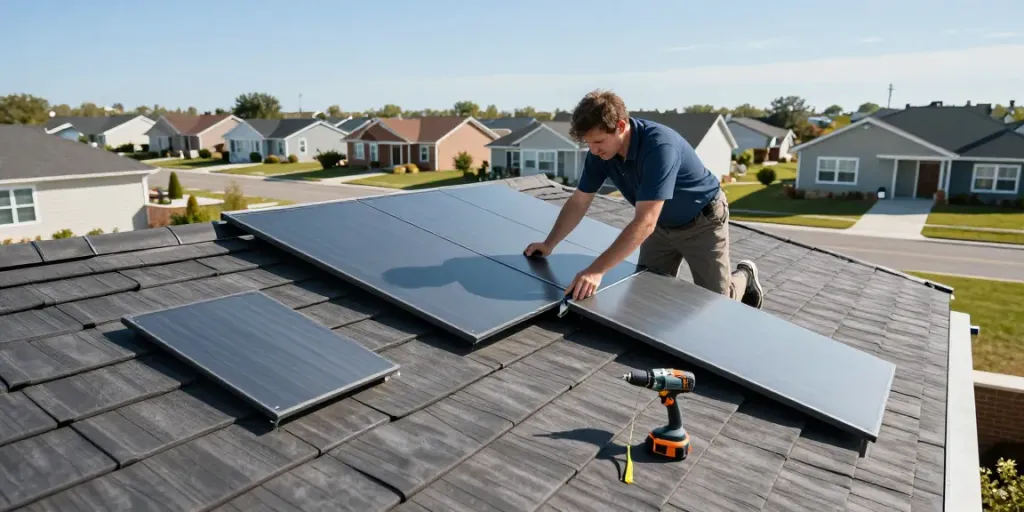
- Panel Installation: Panels are cut to size and attached starting from the eaves upward, ensuring the seams interlock properly.
- Trim and Accessories: Roof edges, ridges, and any necessary flashings are installed to complete the job.
Choosing the Right Contractor
Selecting a qualified contractor is crucial for a successful standing seam roof installation. Look for professionals who specialize in metal roofing and have a solid track record with standing seam systems. Requesting references and verifying licenses and insurance can help ensure quality work.
DIY vs. Professional Installation: Pros and Cons
While some homeowners may consider DIY installation to save on costs, standing seam roofs require specialized skills and tools for proper installation. Mistakes can lead to costly repairs down the line, making professional installation a wise choice for many.
Maintenance and Care for Standing Seam Roofs
Even though standing seam roofs are low-maintenance, some care is needed to ensure they last a lifetime. Regular inspections and maintenance can help identify issues before they escalate.
Regular Maintenance Tips
- Regular Inspections: Periodically check for debris accumulation and ensure that gutters and downspouts are clear.
- Cleaning: If necessary, clean the roof surface with a mild soap solution and a soft brush to avoid damage.
- Prompt Repairs: Address any damage, such as loose seams or panels, as soon as they are detected.
Identifying and Repairing Common Issues
Common problems with standing seam roofs may include rust, denting, or panel separation. Early detection and prompt repairs can prevent more significant issues and extend the roof's lifespan.
How Climate Affects Roof Longevity
The longevity of a standing seam roof can be significantly influenced by the local climate. Areas with harsh winters, frequent storms, or extreme heat may require more vigilant maintenance and inspections to ensure lasting performance. Understanding these factors can help homeowners prepare accordingly.
Future Trends in Standing Seam Roofing
As the roofing industry continues to evolve, standing seam roofs are also adapting to meet contemporary demands for efficiency and sustainability.
Innovations in Material Technology
New advancements in material technology are enhancing the durability and performance of standing seam roofs. Innovations such as advanced coatings and treatments can improve resistance to UV rays and corrosion, extending the lifespan of the roof significantly.
Eco-Friendly Roofing Solutions
In line with growing environmental consciousness, manufacturers are developing eco-friendly options, including recyclable materials and energy-efficient solutions. Roofs that can effectively reflect solar rays help reduce energy costs and the overall carbon footprint.
Predictions for Market Growth and Design Trends in 2026
The demand for standing seam roofs is expected to rise as homeowners increasingly prioritize sustainability and energy efficiency in their building choices. Trends toward minimalistic architecture and environmentally friendly materials will likely influence future designs, making standing seam roofs an appealing option for new constructions and renovations alike.
What does standing seam mean in roofing?
In roofing, "standing seam" refers to the raised seams that connect metal panels, allowing for hidden fasteners and a smooth, uninterrupted surface that provides both aesthetic appeal and weather resistance.
What's the average cost of a standing seam roof?
The cost of a standing seam roof varies widely based on materials and installation details but typically falls between $800 and $1,400 per square installed.
Can I walk on a standing seam roof?
Although it is possible to walk on a standing seam roof, caution is advised. The seams are designed to support weight, but it is essential to distribute weight evenly to prevent damage.
How long will a standing seam roof last?
With proper maintenance, a standing seam roof can last anywhere from 40 to 70 years, making it a long-term investment for homeowners.
What are the advantages of standing seam roofs over other types?
Standing seam roofs offer several advantages, including superior durability, low maintenance requirements, energy efficiency, and versatile design options, making them an increasingly popular choice for residential and commercial properties alike.